
Table of Contents
- What Makes Expensive Organic Skincare Different
- Luxury vs. Affordable Skincare: Breaking Down the Cost
- Organic Skincare Ingredients: What Active Compounds Actually Deliver Results
- Organic Skincare on a Budget: When Premium Price Isn't Necessary
- Safety, Allergies, and Irritation Risks Across Price Points
- Visible Results and Skin Type Suitability
- Is It Worth the Investment? A Decision Framework
- Frequently Asked Questions
Last Updated: October 18, 2026
What Makes Expensive Organic Skincare Different
The skincare market has fractured into two camps. One side dismisses premium organic products as marketing hype. The other treats them like liquid gold. The truth sits somewhere between, and understanding where depends on what you're actually paying for.
When you buy expensive organic skincare, you're not just paying for ingredients. You're paying for sourcing standards, formulation complexity, and ingredient concentration. These factors genuinely matter, but only if the product is formulated correctly and your skin actually needs what's inside.
According to Market.us survey data on skincare preferences, 59% of U.S. consumers prefer skincare products made from natural or organic ingredients. That preference has driven the organic skincare market to an estimated USD 49.74 billion in 2026, with projections reaching USD 61.92 billion by 2031 Mordor Intelligence organic skincare market analysis.
Ingredient Quality and Concentration
Premium organic skincare uses cold-pressed oils, plant extracts standardized for active compounds, and ingredients sourced from farms with verifiable practices. Budget alternatives often use the same botanical names but in lower concentrations or with different extraction methods that reduce potency.

The difference shows up in formulation. A luxury serum might contain 15% hyaluronic acid; an affordable one might contain 3%. Both are "hyaluronic acid serums," but the concentration determines whether your skin will feel the difference.
This matters most for active ingredients. Vitamin C serums vary wildly in stability and concentration. Retinol products range from trace amounts to therapeutic doses.
Certification Standards and Verification
Expensive organic skincare typically carries third-party certifications, USDA Organic, ECOCERT, or similar standards. These certifications require testing and documentation. Budget products labeled "natural" or "organic-inspired" often have no certification backing those claims.
Certification doesn't guarantee effectiveness, but it does guarantee ingredient sourcing. A certified organic product cannot contain synthetic pesticides or certain preservatives. An uncertified "natural" product can. For sensitive skin or those with specific chemical concerns, certification provides accountability that price alone doesn't.
The verification process also costs money. Certified organic operations pay for audits, testing, and compliance documentation. Some of your premium price funds this transparency.
Luxury vs. Affordable Skincare: Breaking Down the Cost
The gap between a $30 moisturizer and a $130 moisturizer isn't always about ingredient quality. Sometimes it's packaging. Sometimes it's brand positioning. Sometimes it's legitimate formulation differences.
Here's what typically drives the cost difference:
- Ingredient sourcing and concentration (20-30% of price difference)
- Packaging and preservation (15-25%)
- Marketing and brand positioning (20-40%)
- Formulation complexity (10-20%)
- Manufacturing scale (10-15%)
A luxury brand selling 10,000 units annually has higher per-unit costs than a mass-market brand selling 1 million. But luxury brands also charge significantly more, which offsets this. The real difference is usually in ingredient sourcing and formulation complexity, not manufacturing efficiency.
Price Per Use and Real Value
This is where expensive organic skincare gets evaluated fairly. A $112 bottle of organic nourishing oil that lasts four months costs $28 per month.
But this calculation only works if the expensive product actually delivers visible results for your skin. If it doesn't, the cheapest option is always too expensive.
The honest assessment: premium organic skincare is worth the investment if three conditions are met. First, your skin actually needs what's in the formulation. Second, you've identified the specific active ingredient or botanical that improves your skin. Third, you're comparing products with similar concentrations and formulations, not just price tags.
What You're Actually Paying For
When you buy expensive organic skincare, you're paying for ingredient quality and concentration. You're also paying for the brand's research into which botanicals and actives work for specific skin concerns.
You're also paying for marketing, packaging, and brand positioning. A $130 cream in elegant packaging costs more to produce and market than a $40 cream in simple packaging. Both might contain similar core ingredients, but the premium version invests in the entire experience.
For some buyers, that experience matters. For others, it's wasted money. The distinction depends on whether the formulation itself justifies the cost, not the packaging or brand name.
Organic Skincare Ingredients: What Active Compounds Actually Deliver Results
Not all organic ingredients are equal. Some have research backing their efficacy. Others are marketing ingredients, botanicals with traditional use but limited clinical evidence. Understanding which is which changes whether expensive organic skincare is worth it.
Hero Ingredients That Justify Premium Pricing
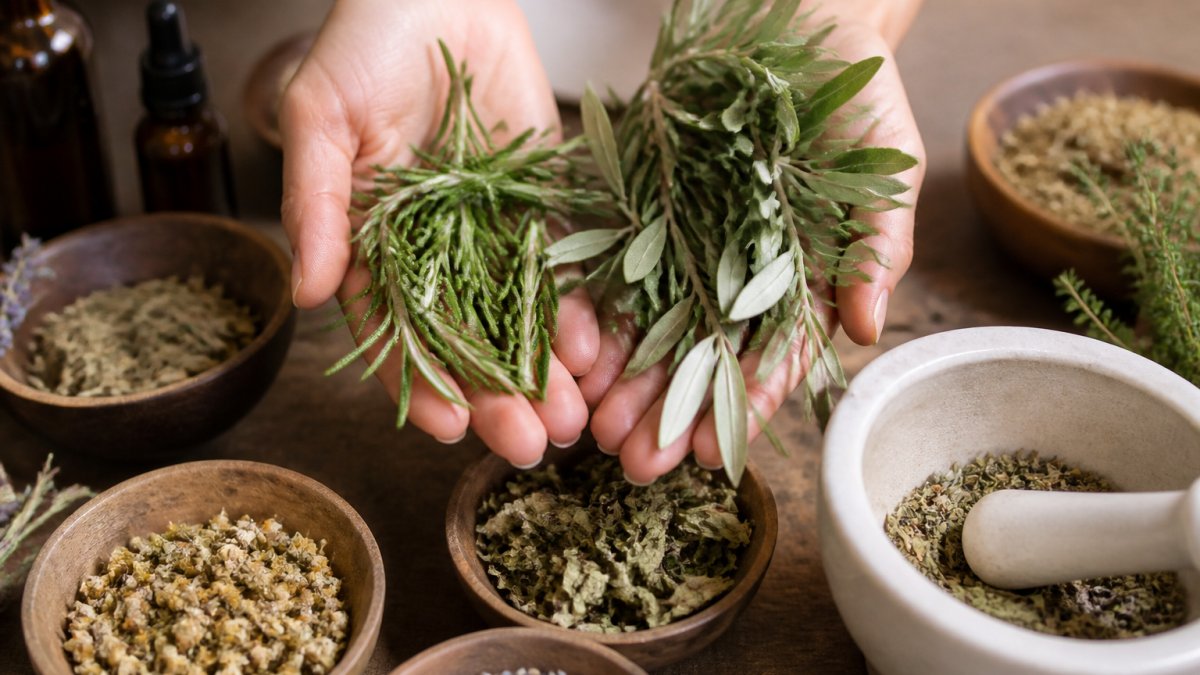
Olive leaf extract contains polyphenols and oleuropein, compounds studied for antioxidant and anti-inflammatory properties. In premium formulations, olive leaf juice appears at meaningful concentrations (typically 5-10%).
Hyaluronic acid (or sodium hyaluronate in absorbable form) holds up to 1,000 times its weight in water. Premium serums use stabilized forms at 10-15% concentration.
Rosemary leaf oil contains carnosic acid, a compound studied for antioxidant and free-radical-neutralizing properties.
Parsley extract contains apigenin, a flavonoid studied for its ability to support skin resilience and calm inflammatory signaling. High-quality organic formulations standardize for apigenin content.
These ingredients justify premium pricing because the concentration and extraction method genuinely affect results.
How to Spot Effective Formulations
Read the ingredient list. Ingredients are listed by concentration, so the first five ingredients make up the bulk of the product. If the hero ingredient appears fifth or lower, you're not getting a meaningful concentration.
Look for standardization claims. Premium brands often note "standardized for [compound] content" or list the percentage of active compounds. Budget products rarely provide this level of detail.
Check for certifications. USDA Organic or ECOCERT certification means the botanicals were sourced without synthetic pesticides and processed according to specific standards. This doesn't guarantee effectiveness, but it does guarantee sourcing integrity.
Compare cost per use, not just price. A $112 serum lasting four months costs $28 monthly.
Organic Replenishing Cream 3.4 oz →
Organic Skincare on a Budget: When Premium Price Isn't Necessary
Expensive organic skincare isn't necessary for every skin concern. If you have oily skin and need basic cleansing, a $15 organic cleanser works fine.

Budget organic skincare is worth buying when:
- You're using it for basic cleansing or maintenance, not targeting a specific concern
- You have oily or resilient skin that doesn't need premium formulations
- You're testing whether a specific ingredient works for your skin before investing in premium versions
- You need high volume (like body moisturizer) and don't require premium concentration
- You're using it as a supporting step in a routine, not the main treatment
Premium organic skincare is worth buying when:
- You have dry, sensitive, or mature skin requiring higher ingredient concentrations
- You've identified a specific active ingredient or botanical that improves your skin
- You're using it as a primary treatment step, not supporting step
- You need visible results within a specific timeframe
- You have environmental sensitivities and need certified sourcing verification
The honest answer: most people oversimplify this choice. They assume expensive equals better, or they assume all organic skincare is overpriced marketing. Reality is more specific. Expensive organic skincare is worth it for your skin if the formulation matches your skin type and concerns, and the concentration of active ingredients justifies the cost.
Safety, Allergies, and Irritation Risks Across Price Points
Here's what most skincare guides miss: expensive organic products aren't automatically safer. In fact, Cleveland Clinic guidance on natural skincare notes that 90% of natural skincare products contain allergens that can cause contact dermatitis.
Price doesn't determine safety. Formulation does. A $15 organic oil can be safer than a $130 luxury serum if the expensive version contains fragrance or essential oils that trigger sensitivity.
Natural ingredients carry their own irritation risks. Tea tree oil, citrus extracts, and essential oils are organic but can irritate sensitive skin.
The safety advantage of expensive organic skincare comes from certification and transparency, not the price tag itself. A certified organic product must disclose all ingredients and cannot use certain synthetic compounds.
For sensitive skin, the decision isn't expensive versus affordable. It's certified and transparent versus uncertified and vague.
Visible Results and Skin Type Suitability
Expensive organic skincare delivers visible results only if it's formulated for your specific skin type and concern. A $130 moisturizer won't help oily skin.
The research is clear on this: The Business Research Company organic skincare market report tracks organic skincare growth, but the market doesn't segment by efficacy, it segments by price and certification.
Visible results depend on:
- Your skin type (oily, dry, combination, sensitive)
- Your specific concern (dryness, sensitivity, aging, breakouts)
- The active ingredient concentration in the product
- Consistent use over 4-8 weeks
- Complementary steps in your routine
A premium organic serum with 15% hyaluronic acid will hydrate dry skin visibly within two weeks. The same serum won't change oily skin.
Price signals quality formulation, but formulation quality only matters if it matches your skin.
Is It Worth the Investment? A Decision Framework
Use this framework to decide whether expensive organic skincare is worth buying:
Step 1: Identify your skin concern. Dryness, sensitivity, aging, breakouts, or maintenance? Be specific.
Step 2: Research which active ingredients address that concern. Hyaluronic acid for dryness. Niacinamide for sensitivity. Retinol for aging.
Step 3: Compare products by active ingredient concentration, not price.
Step 4: Check certifications. For organic products, verify USDA Organic or ECOCERT certification. This ensures sourcing integrity.
Step 5: Calculate cost per use. Divide the price by the number of months the product lasts. Compare across price points.
Step 6: Start with a trial. Buy the expensive version if the formulation justifies it. If results appear within 4-8 weeks, continue.
| Decision Factor | Budget Organic | Premium Organic |
|---|---|---|
| Active ingredient concentration | 3-5% | 10-15%+ |
| Certification | Often absent | Usually present |
| Cost per month | $15-30 | $25-50 |
| Best for | Maintenance, oily skin | Targeted concerns, dry/sensitive skin |
| Visible results timeline | 6-8 weeks | 2-4 weeks |
| Ingredient sourcing transparency | Limited | High |
The decision isn't about price. It's about whether the formulation matches your skin and whether the concentration of active ingredients justifies the cost.
At Mojave Desert Skin Shield, we approach expensive organic skincare from a different angle. Our Organic Desert Nectar Serum uses olive leaf juice at meaningful concentration paired with sodium hyaluronate for visible hydration, the kind of active-ingredient focus that justifies premium pricing.

Frequently Asked Questions
Does expensive organic skincare work better than affordable skincare?
Not automatically. While expensive organic skincare often contains higher concentrations of active ingredients and verified organic certification, affordability doesn't guarantee poor results. The difference lies in ingredient potency, formulation science, and skin type compatibility. What matters is matching the product's active ingredients to your specific skin concerns, whether that's hydration, sensitivity, or environmental protection, and verifying ingredient quality through certifications rather than price alone.
What should you look for when buying organic skincare?
Check for three key factors: certified organic status (look for third-party certifications, not just brand claims), active ingredient concentration (listed near the top of ingredient labels), and skin type compatibility. For arid climates or sensitive skin, prioritize products with proven hydrating ingredients like sodium hyaluronate or botanical oils rich in antioxidants. Review the product's intended use, whether it's for mature skin, dryness, or environmental protection. Dermatologist testing and cruelty-free certification add credibility. Finally, assess cost-per-use:
How can you tell whether an organic skincare product is worth the price?
Calculate cost-per-use by dividing the price by the volume and typical usage amount. Cross-reference the ingredient list against your skin concerns: if it addresses your specific issues (hydration, barrier repair, antioxidant protection), the premium price becomes justifiable. Verify certifications independently rather than trusting marketing alone. Look for published reviews mentioning visible results after 4-6 weeks of consistent use. Environmental factors matter too, if you live in a sun-exposed, arid climate, climate-adaptive formulations may prevent costlier dermatology visits later.
Are there harmful chemicals in expensive skincare that justify choosing organic alternatives?
Not all expensive skincare contains harmful chemicals, and not all organic products are automatically safer. Research shows 90% of natural skincare products contain allergens that can trigger contact dermatitis in sensitive individuals. The real distinction is ingredient transparency and formulation philosophy. Expensive organic skincare brands often disclose full ingredient lists and prioritize hypoallergenic, dermatologist-tested formulations. However, price doesn't guarantee safety, expensive synthetic products can be equally safe if formulated correctly. What matters is verifying dermatologist testing, checking for known irritants relevant to your skin type, and patch-testing any new product regardless of price or organic status.