
Written by Lauren James
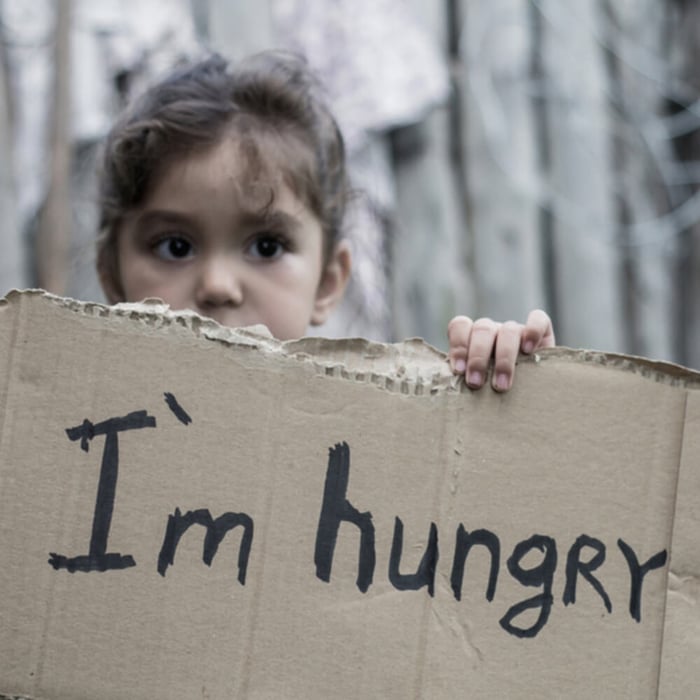
It’s no surprise that the United States, one of the wealthiest countries in the world, is crazy about its food and food culture. But did you know that in 2018, more than 37.2 million people (at least 11 percent of the population) lived in food-insecure households? This means that this portion of the population skipped meals; ate less at meal time; bought cheap, non-nutritious foods; and/or fed their children and not themselves, according to the “Household Food Security in the United States in 2017” report published by the United States Department of Agriculture.
And while this issue is highly complex, parts of the problem are lower income and lack of affordable housing-- in 2018, NPR noted that more than 38 million people lived in poverty. Poverty is defined by the U.S. government as a family of four whose household income is less than $25,700. It also points to chronic health conditions or lack of access to adequate health care, plus systemic racism and racial discrimination. Plus, with the COVID-19 pandemic hitting in 2020, these numbers skyrocketed. As unemployment soared, more than 54 million across the country faced hunger. This is staggering. The effects of food insecurity are far-reaching: serious health complications, particularly when people are faced with spending money on food or medicine; damage to a child’s ability to learn and thrive; and difficult life-altering decisions such as choosing between paying for food and heat, transportation or rent.
So, how do we solve this huge problem? A major part of what makes food insecurity so difficult is that the underlying causes, such as poverty, unemployment, and inconsistent access to healthy food, is strongly interconnected. And families who consistently deal with insecurity and hunger are already dealing with enough stress to maintain a steady job and stable housing.
Nonprofits like Feeding America are working to end this fight to end hunger in America by feeding people who face hunger every day, working to raise awareness about food insecurity, advocating for policies to protect people in need, and conducting research to find formidable solutions. Want to help? Donate to organizations like Feeding America, the nation’s largest hunger relief organization, as well as Feed the Children. Or, find a local food bank to donate food items for families. Just a little bit can make a huge difference for families. Cheers to helping ending hunger in America.