
Written by Lauren James Budhu
When was the last time you scrolled on your phone and ordered a trendy top, or strolled in the mall and nabbed a super cute outfit in a store display — and paid next to nothing? More than likely, you purchased what they call “fast fashion,” which, unfortunately, has become detrimental to the planet.
According to Earth.org, this term refers to “cheaply produced and priced garments that copy the latest catwalk styles and get pumped quickly through stores in order to maximize on current trends.” It’s called this because it involves the rapid design, production, distribution, and marketing of clothes. This means retailers can pull large quantities of greater product variety and allow customers to get different fashions at a low price. “Fast fashion” was coined by the New York Times to describe Zara’s mission in the early ‘90s to allow garments to go from the design stage to being sold in stores in as little as 15 days.
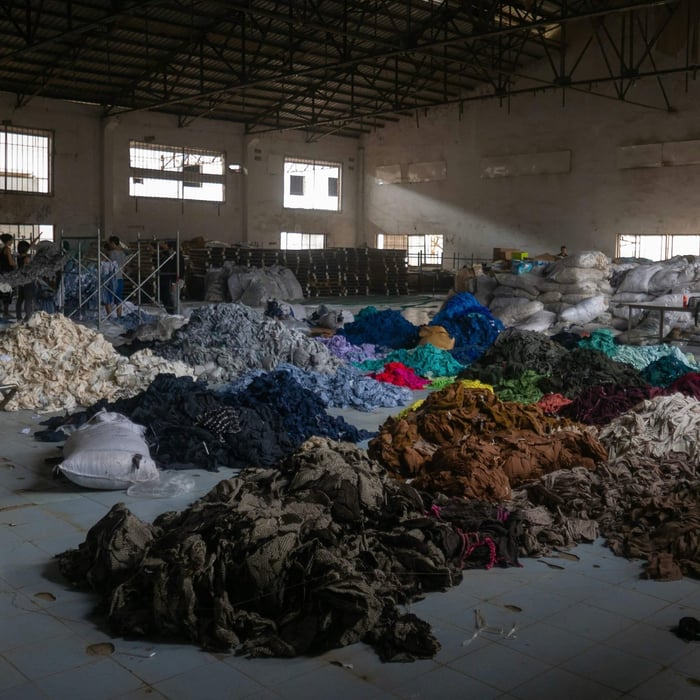
According to Business Insider, fashion production comprises 10% of total global carbon emissions, as much as the emissions generated by the European Union. The industry dries up water sources and pollutes rivers and streams, while 85% of all textiles go to dumps each year. Even washing clothes releases 500,000 tons of microfibers into the ocean annually — the equivalent of 50 billion plastic bottles. According to the UN Framework Convention on Climate Change, emissions from textile manufacturing alone are projected to skyrocket by 60% by 2030.
Not only does fast fashion pose negative environmental impacts, but it also creates societal problems. According to nonprofit Remake, 80% of apparel is made by young women between ages 18 and 24. A 2018 US Department of Labor report found evidence of forced and child labor in the fashion industry in Argentina, Bangladesh, Brazil, China, India, Indonesia, Philippines, Turkey, Vietnam, and others. Rapid production means that sales and profits supersede human welfare.
In her book No Logo, Naomi Klein argues that developing nations are ideal for garment industries due to “cheap labor, vast tax breaks, and lenient laws and regulations.” According to The True Cost documentary, one in six people work in some part of the global fashion industry, making it the most labor-dependent industry. These developing nations also rarely follow environmental regulations; China, for example, is a major producer of fast fashion but is notorious for land degradation and air and water pollution.
To combat this problem, “slow fashion” has come to the forefront, which aims to pump the brakes on excessive production, complicated supply chains, and overconsumption. So, how can you join this movement?
- Repair and take care of your clothes: Extend the life of your clothes by following care instructions. Machine wash on the lowest heat setting if you can and hang to dry to save on energy.
- Wear second-hand clothing: Today, thrifting is so mainstream that it is even covered on the pages of glossy high-fashion magazines, which is a good thing because there are many options for getting second-hand clothes. You can borrow from your family or friends’ closets for one-off events, and there are always one-of-a-kind and stylish pieces from thrift and vintage stores. Online thrifting is easier today thanks to platforms like Poshmark, Depop, Etsy, or Vestiaire Collective.
- Shop mindfully: In Europe, the United Kingdom, and the United States, between 50%- 80% of people’s wardrobes are unused. The next time you feel the itch to shop, check your closet first. Do you really need a fifth new dress/pair of pants/crop top in your closet? Chances are you don’t. If you do buy new, support local creators like Mojave Desert Skin Shield, which uses all ethically sourced materials from across the world. They make it easy to purchase high-quality fabrics that last longer, single-composition fabrics that can be easily recycled, or natural fibers that biodegrade more easily.
For more ways to make an impact, Earth.org has a few tips. Here’s slowing down your fashion and helping our planet!